“How long do porcelain veneers last?” is one of the most common questions people ask before committing to treatment, and the honest answer is more nuanced than a single number. This guide looks at the realistic range, the specific reasons veneers eventually need replacing, and what genuinely affects how long yours will hold up.
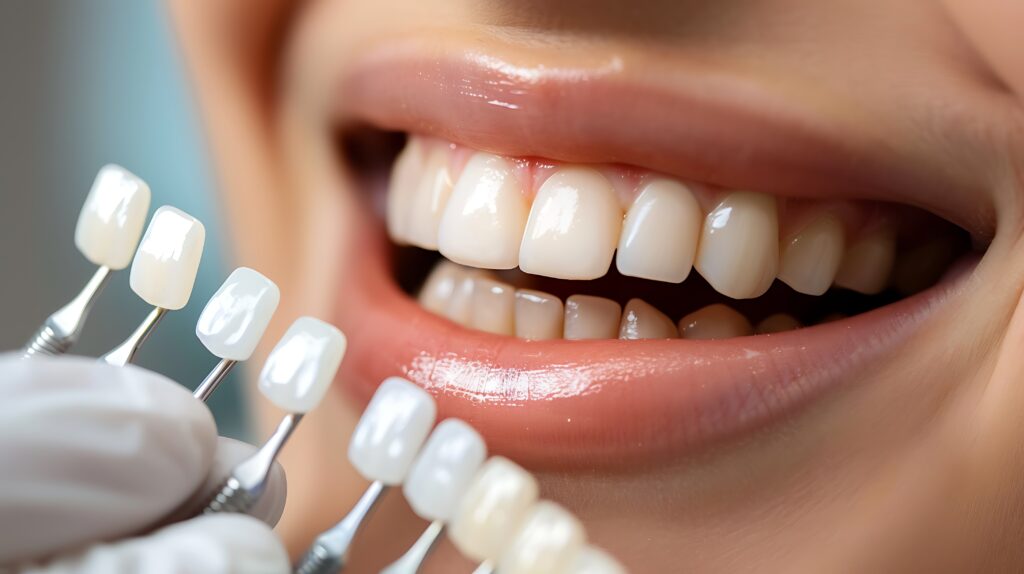
Most sources quote 10 to 15 years as a typical lifespan for porcelain veneers, and with excellent care, some patients see 20 years or more before replacement becomes necessary. But that range hides a lot of variation. Two people who got veneers on the same day, from the same dentist, can end up needing replacement years apart, purely based on how their teeth and gums change over time and how the veneers are treated day to day.
Porcelain itself doesn’t wear out the way natural enamel can. What actually determines a veneer’s practical lifespan is almost always one of a few specific factors, not the material simply degrading with age.
Porcelain is strong, but it isn’t indestructible. Excessive biting force, teeth grinding, or a direct impact can cause a veneer to chip or crack. Small chips can sometimes be smoothed or repaired, but more significant damage typically means the whole veneer needs replacing, since porcelain can’t be patched the way composite material can.
Veneers are attached to the tooth using a dental adhesive, and while modern bonding agents are highly reliable, they can weaken gradually over many years due to moisture exposure, bite pressure, and the natural micro-movement of teeth. Signs of weakening bond include slight movement of the veneer, unusual sensitivity, small dark lines appearing near the edge of the veneer, or a change in how it fits. If bonding integrity is genuinely compromised, replacement is usually recommended to protect the natural tooth underneath.
As gums naturally recede with age, a process influenced by genetics, brushing technique, and gum health, the edge of a veneer that once sat neatly under the gumline can become visible. This doesn’t mean the veneer has failed, but it can affect both appearance and, in some cases, expose the bonding margin to more wear. Replacing the veneer at this stage restores a seamless look and re-establishes proper coverage.
Porcelain is highly resistant to staining, but natural teeth aren’t, they gradually change colour with age, diet, and lifestyle factors like smoking or coffee consumption. Over enough years, a veneer that matched perfectly on day one can start to look noticeably brighter than the teeth around it. This is a cosmetic mismatch rather than a structural problem, but it’s one of the more common reasons patients choose replacement or additional treatment to restore overall harmony.
Not in the way natural teeth do. Porcelain’s surface is far less porous than enamel, so it resists absorbing pigment from coffee, tea, or red wine significantly better than a natural tooth would. What can still discolour over time is the very edge where the veneer meets the natural tooth, since that margin isn’t porcelain itself. This is part of why maintaining good oral hygiene right at the gumline matters even after veneers are placed, not because the veneer will stain, but because the surrounding natural tooth and gum tissue still can.
A few factors make a genuine, measurable difference to how long veneers last in practice:
• Bite forces and grinding. Patients who grind their teeth, particularly overnight, place significantly more stress on veneers than those who don’t. A night guard is one of the most effective ways to protect an investment in veneers.
• Oral hygiene around the margins. Since the natural tooth and gumline beneath a veneer can still develop issues, consistent brushing and flossing directly affects how long the whole restoration stays healthy.
• Avoiding habitual damage. Using teeth to open packaging, chewing ice, or biting nails all place unnecessary stress on a veneer’s edge over time.
• Regular professional check-ups. These catch early signs of bonding weakness or gum changes well before they become a bigger issue, often the difference between a simple adjustment and a full replacement.
For a closer look at daily care habits specifically, brushing technique, foods to be mindful of, and night guards, our veneers aftercare guide covers this in more depth.
It’s achievable, but it depends heavily on individual factors. Patients with good oral hygiene, no grinding habit, and regular check-ups are the ones most likely to see veneers last toward the longer end of the range.
Not necessarily. Since chipping, bonding wear, and gum recession are often localised to individual teeth, it’s common for one or two veneers to need attention well before the rest.
Generally simpler than the original placement, since the tooth has already been prepared. Your dentist will assess whether the same preparation still suits a new veneer or whether any adjustment is needed.
Small chips can sometimes be smoothed or filled, but porcelain doesn’t bond well to itself the way composite resin does, so more significant damage usually calls for full replacement rather than a patch repair.
Persistent sensitivity, movement, or visible dark lines near the veneer’s edge are worth having assessed by your dentist rather than guessing, since the cause affects whether a simple fix or full replacement is the right next step.
Related reading: Veneers | Invisalign | Cosmetic Dentistry
If you’re noticing any changes in your veneers, or considering treatment for the first time, book a consultation to have your smile properly assessed.
Whether you are considering teeth whitening, alignment options, or restorative treatments, our team at Dental Galleria provides professional dental care tailored to your needs. We focus on supporting your oral health and helping you maintain a functional and comfortable smile.
Book your appointment today to discuss the treatment options suitable for you.
We are located at, 4/90
Charles St, Putney NSW 2112
© 2025 Dental Galleria. All rights reserved.
Website By 360 Dental marketing


