Deciding to get a dental implant is one thing, knowing what recovery actually looks like day to day is another. This guide walks through a realistic healing timeline, from the first 48 hours through to the final restoration, along with the signs that suggest something needs your dentist’s attention.
Every case differs based on the number of implants, whether bone grafting was needed, and individual healing factors, but here’s a general picture of how recovery typically unfolds.
Swelling, mild bruising, and some discomfort around the surgical site are normal in the first day or two. Most patients manage this with pain relief recommended by their dentist and a cold compress applied externally in short intervals. Some minor bleeding or oozing is common in the first 24 hours and typically settles with light pressure from gauze.
Rest is genuinely important here, strenuous activity in the first couple of days can increase swelling and slow initial healing. A soft diet, think soup, yoghurt, and mashed foods, helps avoid putting pressure on the surgical site while you’re still tender.
Swelling typically peaks around day two or three before gradually improving. Any stitches placed are usually either dissolvable or removed at a short follow-up appointment within one to two weeks. Bruising, if it occurs, often shows on the skin near the site before fading over the following week.
Most patients can return to non-strenuous work and normal daily activities within a few days, though this varies depending on where the implant was placed and how many were done in a single visit.
By this stage, the surgical site itself typically feels much more comfortable, and any temporary restoration placed over the implant site should feel increasingly normal to eat and speak around, within reason. The gum tissue around the implant continues settling during this period, though the real structural work is happening beneath the surface, out of sight.
This is often when patients feel like recovery is “done,” but the implant is still very early in the process of fusing with the jawbone, which is why avoiding excessive pressure on the site during this period still matters.
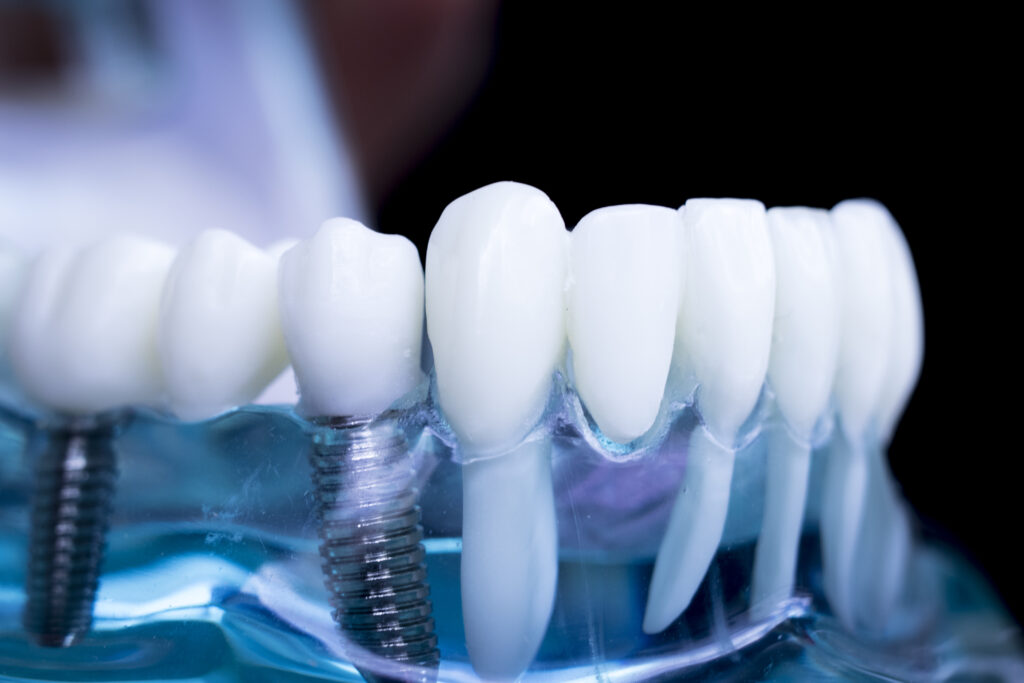
This is the core biological process behind implant success, the titanium post gradually fuses directly with the surrounding jawbone in a process called osseointegration. Unlike a natural tooth root, which is held in place by a ligament, an integrated implant becomes mechanically locked into the bone itself, which is part of why implants can offer such long-term stability once fully healed.
This stage happens gradually and without much noticeable sensation, most patients don’t feel anything distinct happening during osseointegration itself. Regular check-ins with your dentist during this window allow healing to be monitored via imaging without disturbing the implant.
Once osseointegration is confirmed, typically through imaging and a stability check, the process moves to placing the final restoration, a custom crown, bridge, or full arch prosthesis depending on the original treatment plan. This is generally a comfortable, non-surgical appointment, since the implant itself is already fully healed by this point.
For most single implants, the entire process from placement to final restoration falls somewhere in the three to six month range, though more complex cases involving bone grafting can take longer.
A few factors genuinely influence how quickly and successfully healing progresses:
• Smoking status. Smoking significantly slows healing and is one of the most well-documented risk factors for implant complications, since it restricts blood flow to the healing tissue.
• Overall health and existing conditions. Conditions like uncontrolled diabetes can affect healing speed and are usually assessed carefully before treatment begins.
• Oral hygiene during recovery. Keeping the surgical site clean, following your dentist’s specific instructions, reduces infection risk significantly.
• Bone density and quality. This is assessed before treatment and is part of why some patients need bone grafting before an implant can be placed successfully.
• Following post-op instructions closely, particularly around diet and activity level in the first week, has a real effect on how smoothly early healing goes.
Mild discomfort and swelling are expected, but a few signs are worth raising with your dentist rather than waiting:
• Pain or swelling that worsens after the first few days instead of improving
• A fever, or a bad taste or odour from the surgical site
• The implant or temporary restoration feeling loose or shifting
• Numbness that persists well beyond the expected timeframe
If any of these come up outside of business hours, emergency dental care is there for exactly this kind of situation, it’s better to have something checked and find it’s nothing serious than to leave a genuine complication untreated.
If you are researching dental implants, you may also be interested in learning more about other cosmetic and restorative treatments that enhance smile aesthetics and function.
You can explore:
All On X (Full Arch) Implants | Smile Makeover Solutions | Invisalign | Cosmetic Dentistry Services
Each treatment plan is individually designed to support long lasting durability and beautifully natural results for patients in Putney, Ryde, Chatswood, Gladesville and Eastwood.
If you are uncertain which option is right for your smile, arranging a consultation allows our team to evaluate your teeth and provide personalised recommendations based on your goals and oral health.
Most patients return to a completely normal diet within a few weeks, though very hard or crunchy foods directly on the implant site are often best avoided for a bit longer while osseointegration is still underway.
Generally yes, more extensive treatment can mean a longer initial recovery period and a more involved healing process, though the core stages, initial healing, osseointegration, then final restoration, remain the same.
Light activity is usually fine within a few days, but strenuous exercise is often best delayed for at least a week or two, since increased blood pressure can affect swelling and healing at the surgical site. Your dentist can give guidance specific to your case.
This is uncommon, but if it happens, the implant may need to be removed and the site allowed to heal before a second attempt. Smoking, uncontrolled health conditions, and insufficient bone density are among the more common contributing factors.
Not dramatically, but consistent brushing and flossing around the implant and attending regular check-ups remain important for the long-term health of the surrounding gum and bone, even though the implant crown itself can’t decay.
Related reading: Dental Implants | Veneers | Emergency Dentistry
If you’re considering dental implants or have questions about your own recovery, book a consultation to discuss your specific case.
Whether you are considering teeth whitening, alignment options, or restorative treatments, our team at Dental Galleria provides professional dental care tailored to your needs. We focus on supporting your oral health and helping you maintain a functional and comfortable smile.
Book your appointment today to discuss the treatment options suitable for you.
We are located at, 4/90
Charles St, Putney NSW 2112
© 2025 Dental Galleria. All rights reserved.
Website By 360 Dental marketing


