One of the most common things people want to know before starting Invisalign isn’t just how the treatment works — it’s what the experience actually feels like as the weeks go by. This guide walks through a typical timeline, milestone by milestone, so you know roughly what to expect at each stage.
Every case is different, and your dentist will give you a timeline specific to your treatment plan, but here’s a general picture of how most patients experience the journey.
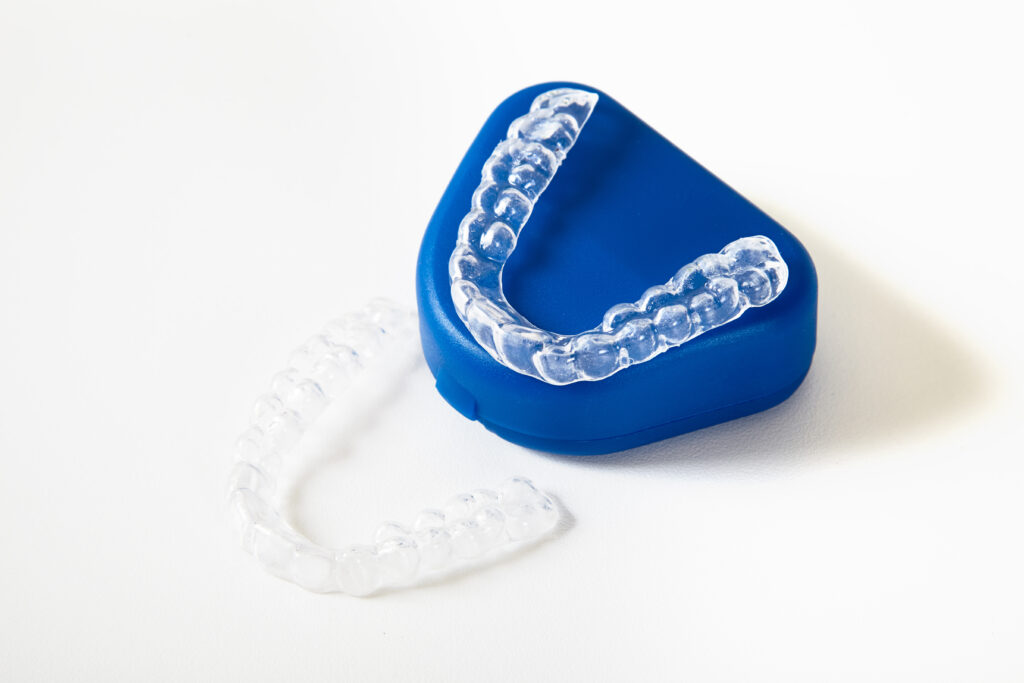
The first fortnight is typically the biggest adjustment period. New aligner wearers often notice mild pressure or tightness, especially in the first few days of a new set. This is a normal sign the aligner is doing its job, not a cause for concern.
What’s actually happening beneath the surface is a biological process called bone remodelling. Each tooth sits in a socket lined with a thin layer of connective tissue called the periodontal ligament. When an aligner applies gentle, sustained pressure to a tooth, it compresses this ligament slightly on one side and stretches it on the other. That imbalance triggers specialised cells — osteoclasts, which break down bone, and osteoblasts, which rebuild it — to remodel the bone socket itself, allowing the tooth to physically migrate into its new position over time. This is a slow, biological process by design: move teeth too quickly and the bone doesn’t have time to remodel safely around them, which is why treatment happens in small, incremental stages rather than all at once.
Most patients also spend this early period getting used to the discipline of removing aligners for meals and putting them straight back in afterward. By the end of the first two weeks, most of the “learning curve” discomfort has settled, and aligners start to feel like a normal part of the day rather than something to think about constantly.
By this stage, wearing aligners for the recommended 20 to 22 hours a day has usually become second nature. Patients typically settle into a rhythm: aligners out for meals and brushing, back in immediately after.
This is also when the first subtle movements often become noticeable — not dramatic changes, but small shifts that confirm the plan is progressing as expected. Routine check-ins with your dentist during this period allow for early adjustments if anything isn’t tracking quite as planned.
For many patients, this is where changes start to become genuinely visible — both to the patient and to people around them. Gaps may be closing, crowding may be easing, and the overall shift toward the planned outcome becomes more apparent.
It’s also common for a few new aligner sets in this window to bring slightly more noticeable pressure than earlier sets, particularly if the plan involves more significant rotations or larger movements at this stage. This isn’t unusual — it typically reflects where the bulk of the movement work is happening.
This is also the stage where small tooth-coloured “attachments” (sometimes called buttons) often come into play, if your treatment plan calls for them. These are tiny bumps of dental composite bonded to specific teeth, shaped to give the aligner extra grip on movements that are harder to achieve through the aligner’s plastic alone — rotating a rounded tooth, for example, or pulling a tooth down slightly. They’re not needed in every case, and they’re removed once treatment is complete, but if your plan includes them, this middle stretch of treatment is typically when their effect becomes most noticeable.
Depending on the complexity of the original case, this stage often involves fine-tuning rather than major shifts. Some patients may need what’s sometimes called a “refinement” — a new set of aligners based on updated scans, to correct any minor movement that didn’t track exactly as the original plan predicted.
Refinements aren’t a sign that something went wrong; they’re a normal part of many treatment plans, particularly for more complex cases. Your dentist will let you know at your review appointments whether refinement aligners are needed for your specific case.
Once the active aligner series is complete, the work isn’t quite finished. Retainers — removable, fixed, or a combination of both — hold your teeth in their new position while the surrounding bone and tissue stabilise, since teeth have a natural tendency to drift back toward their original position once the aligners’ steady pressure is removed. Consistent retainer wear is what makes results last, and it’s worth reading further on why this stage matters just as much as active treatment.
Two people with seemingly similar crowding can end up with quite different treatment lengths, and a few factors explain most of that variation:
Aligner change frequency. Some treatment plans move to a new aligner every week, others every two weeks, depending on how quickly a patient’s periodontal ligament and bone can safely remodel. Faster change schedules aren’t automatically better — they only work where the biology and the case allow it.
Number of teeth needing significant movement. A plan correcting two or three teeth will typically run a shorter course than one addressing a full arch of crowding or a bite correction affecting how the upper and lower teeth meet.
Compliance with wear time. This is the single biggest controllable factor. Consistently wearing aligners for 20 to 22 hours a day keeps a treatment plan on its intended schedule; frequent gaps are the most common reason a timeline extends beyond its original estimate.
Whether refinements are needed. As covered above, a refinement adds an additional few months to the original estimate, since it involves a new set of aligners based on updated scans.
Case complexity at the outset. Straightforward spacing or mild crowding cases are typically the shortest. Bite corrections, significant rotations, or cases involving multiple concerns at once generally take longer, simply because more staged movement is required.
A few general markers suggest a treatment plan is progressing as expected:
• Each new aligner in the series clicks into place without excessive force or persistent gaps between the aligner and the teeth
• Discomfort from a new aligner settles within a few days rather than lingering
• Visible changes roughly match the digital preview shown at the start of treatment
• Scheduled check-ups aren’t identifying the need for repeated refinements beyond what was expected
If any of these don’t match your experience, it’s worth raising with your dentist at your next check-up rather than waiting, since small adjustments early are easier to manage than late-stage corrections.
Yes. Larger movements or bite corrections are often staged deliberately across the treatment plan rather than spread evenly, so some months will visibly involve more change than others. This is planned, not a sign anything is off track.
Missing a day here and there generally isn’t a major setback, but frequent or extended gaps can cause aligners to stop fitting properly, which may mean going back a step in the series or needing a new scan. Consistency matters more than any single missed day.
Your dentist will typically identify this during a scheduled review, comparing your current tooth position against the treatment plan. It’s not something you’re expected to diagnose yourself — regular check-ups are exactly for this purpose.
Broadly similar biological movement principles apply, but treatment length can vary based on the complexity of the case and, in some instances, age-related factors in bone remodelling. Your dentist can give you a timeline specific to your situation.
Retainers are generally recommended immediately after active treatment ends, since teeth can begin shifting back surprisingly quickly once the aligners’ constant, gentle pressure is removed.
If you are researching Invisalign, you may also be interested in learning more about other cosmetic and restorative treatments that enhance smile aesthetics and function.
You can explore:
Veneers | Smile Makeover Solutions | Dental Implants | Cosmetic Dentistry Services
If you’d like a timeline specific to your own smile, booking a consultation is the best way to get a plan tailored to your case.
Whether you are considering teeth whitening, alignment options, or restorative treatments, our team at Dental Galleria provides professional dental care tailored to your needs. We focus on supporting your oral health and helping you maintain a functional and comfortable smile.
Book your appointment today to discuss the treatment options suitable for you.
We are located at, 4/90
Charles St, Putney NSW 2112
© 2025 Dental Galleria. All rights reserved.
Website By 360 Dental marketing


