Getting veneers is often treated as the finish line, but how they’re cared for afterward has a real effect on how long they last and how they look years down the track. This guide covers daily care, habits worth avoiding, and how to tell when something needs a dentist’s attention.
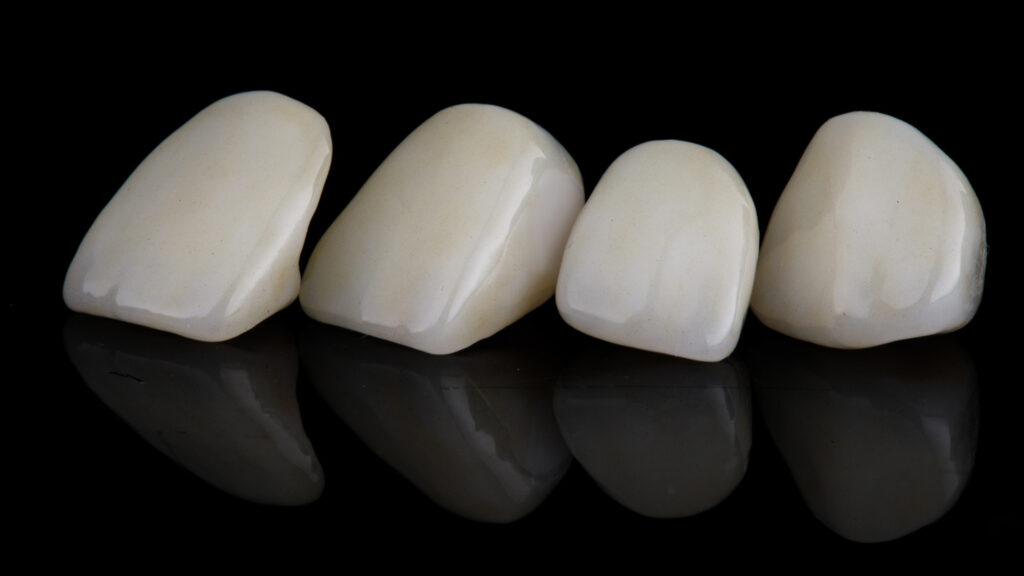
It’s common to notice mild sensitivity to hot or cold in the days immediately after veneers are bonded, particularly if some enamel reshaping was involved. This typically settles within a week or two. Your bite may also feel slightly different at first as you adjust to the new surface of the tooth, this is normal and usually resolves quickly, though it’s worth mentioning to your dentist if it persists beyond a couple of weeks.
Veneers don’t require dramatically different care from natural teeth, but a few habits make a genuine difference over time:
• Brush and floss as normal, twice daily. Veneers don’t decay the way natural enamel does, but the natural tooth structure and gumline underneath and around them absolutely can.
• Use a non-abrasive toothpaste. Heavily whitening or gritty toothpastes can dull the surface polish on composite veneers in particular over time.
• Keep up with regular dental check-ups. These allow small issues, like an early chip or a change in bite, to be caught before they become bigger problems. If it’s been a while since your last one, it’s worth booking a check-up sooner rather than later.
• Consider a night guard if you grind your teeth. Grinding puts significant pressure on veneers and is one of the more common causes of premature chipping.
A handful of everyday habits are responsible for most avoidable veneer damage:
• Using teeth as tools, opening packaging, tearing tags, or biting nails can chip or crack a veneer’s edge.
• Chewing ice or very hard foods puts concentrated force on a small surface area, which veneers aren’t designed to withstand repeatedly.
• Skipping a mouthguard during contact sport leaves veneers exposed to impact that could otherwise be absorbed safely.
• Heavy staining foods and drinks, coffee, red wine, and tea can gradually affect the surface shine, more so for composite veneers than porcelain.
• Ignoring teeth grinding, whether it happens during sleep or as a stress habit during the day, is one of the most common reasons veneers need repair or replacement earlier than expected.
While the daily basics are the same, the two materials do respond differently over time. Porcelain resists staining well and tends to hold its shine for its full 10 to 15 year lifespan with reasonable care. Composite is more prone to gradual surface staining and small scratches accumulating over time, which is part of why composite veneers often benefit from a professional polish at routine check-ups to keep their finish looking fresh.
Composite also has an advantage when damage does occur, a chip can often be repaired directly in a single visit, whereas a damaged porcelain veneer typically needs to be replaced entirely, since the material isn’t designed to be patched.
For patients considering veneers for the first time, minimal or no-prep veneers are worth understanding, since they involve little to no removal of natural tooth structure and are bonded directly to the existing tooth surface.
They tend to work well for:
• Small or narrow teeth that could use more width or volume
• Minor spacing between teeth
• Teeth that are only slightly inward
• Patients seeking subtle enhancement rather than dramatic reshaping
They’re generally not ideal for:
• Severely crowded teeth (in these cases, your dentist may suggest addressing alignment first, sometimes with Invisalign, before considering veneers)
• Teeth that already protrude
• Significant bite issues
• Very dark discolouration that needs stronger masking
Because no-prep veneers add a thin layer to the front of the tooth without removing much existing structure, careful planning matters, placed on already prominent teeth, they can look bulky or unnatural if not properly assessed beforehand. A consultation is the only reliable way to know whether this option suits your specific case.
A few things are worth getting checked promptly rather than waiting for your next scheduled visit. A cracked or dislodged veneer in particular is worth treating as urgent, if it happens outside of business hours or you’re in pain, emergency dental care is there for exactly this kind of situation.
• A visible chip, crack, or rough edge on a veneer
• A veneer that feels loose or has noticeably shifted
• Persistent sensitivity that hasn’t settled after a couple of weeks
• Gum recession or discolouration around the edge of a veneer, which can expose the natural tooth margin underneath
The veneer material itself can’t decay, but the natural tooth structure beneath and around it can, particularly at the gumline, which is why normal brushing and flossing still matter just as much as before.
Porcelain veneers often last 10 to 15 years or longer with good care, while composite veneers typically last 5 to 7 years. Replacement timing depends heavily on oral hygiene, grinding habits, and how the veneers are treated day to day.
Whitening products affect natural enamel, not veneer material, so they won’t change the shade of the veneer itself. This can result in a visible mismatch if whitening is done after veneers are placed, which is worth discussing with your dentist before starting any whitening treatment.
Most patients adjust within a week or two and stop noticing any difference in daily use. Some initial awareness of a slightly different surface texture or bite is common early on.
A chipped composite veneer can often be repaired in a single appointment. A chipped porcelain veneer usually needs to be replaced, since the material can’t be patched the same way. In rarer cases where the underlying tooth itself is too damaged to support a veneer, your dentist may discuss other restorative options, including dental implants, though this is uncommon and specific to more severe damage.
Related reading: Invisalign | Dental Implants | Emergency Dentistry
If you’re noticing any of the signs above, or you’re considering veneers for the first time, book a consultation to have your smile assessed properly.
Whether you are considering teeth whitening, alignment options, or restorative treatments, our team at Dental Galleria provides professional dental care tailored to your needs. We focus on supporting your oral health and helping you maintain a functional and comfortable smile.
Book your appointment today to discuss the treatment options suitable for you.
We are located at, 4/90
Charles St, Putney NSW 2112
© 2025 Dental Galleria. All rights reserved.
Website By 360 Dental marketing


